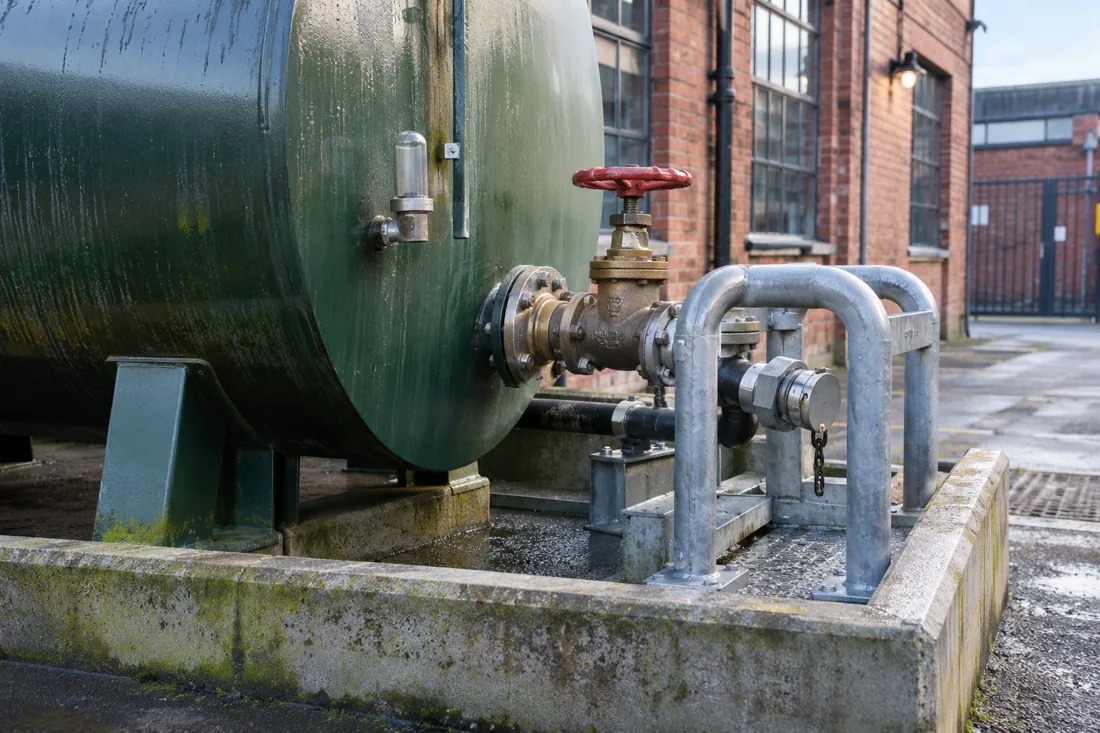
Treat The Fuel, Understand The Tank
Fuel polishing in Manchester is a treatment option for stored product that can still be recovered. A filtration system circulates fuel through selected filters and water separation equipment. The aim and acceptance criteria should be agreed from the fuel condition and the equipment it will supply.
Polishing is not the same as cleaning the tank. Attached sludge, deposits behind baffles and damaged tank components can remain after fuel has circulated through filters. If the vessel is heavily contaminated, treating the liquid alone may leave the source of the next problem in place.
| Concern | Useful Next Decision |
|---|---|
| Particles or free water in stored fuel | Arrange assessment and suitable sampling before selecting treatment. |
| Thick deposits or repeated contamination | Consider tank cleaning and the source of ingress. |
| Fuel is old but condition is unknown | Use evidence rather than age alone to decide recovery. |
| Standby supply must remain available | Agree how circulation interacts with readiness and testing. |
Use Sampling To Set The Scope
Explain what prompted the enquiry. Recent filter blockage, poor running, a water finding or a long period of storage can guide the assessment, but none proves the whole tank’s condition. An existing laboratory report is useful when its sample location, date and method are known.
A sampling plan needs to reflect how contamination can vary through the tank. A sample from one convenient point may not describe material near the floor or an isolated compartment. The contractor should explain what the assessment can establish and where further investigation may be needed.
Do not open a tank or improvise a sample point for an enquiry. Send existing results and accessible photographs first. If laboratory analysis is needed, agree the tests and their relevance to the stored fuel and the engine or burner requirements.
Choose Recovery Or Replacement From Evidence
Filtration and separation can address certain particles and water, but they do not make every degraded or contaminated fuel suitable for reuse. The decision depends on the type and extent of contamination and any quality requirements for its intended use. Avoid a quotation that promises all stored fuel can be restored without an assessment.
Where microbial contamination is suspected, treatment needs to be selected appropriately rather than adding chemicals as a routine first step. Removing contamination without addressing recurring water ingress leaves a continuing risk. Tank fittings, maintenance findings and the way fuel is stored all belong in the follow-up discussion.
If some fuel cannot be retained, agree its waste route and the replacement supply separately. Mixing recoverable and unsuitable product can increase the volume needing disposal. The programme should make the status of each material clear before transfers start.
Plan Around Standby And Site Operations
Polishing can sometimes be carried out while a tank remains available, but that needs confirmation for the actual installation. The circulation arrangement must be compatible with the fuel system and site controls. Do not assume there will be no interruption simply because the tank stays in its original position.
Tell us what equipment the tank supplies, who maintains it and whether automatic operation must remain available. Generator tests, deliveries and other fuel transfers may need coordinating with the treatment. Where tank cleaning is also needed, a shutdown and temporary supply decision may follow.
The working method should address the fuel and equipment hazards, spill protection and the return route. Business oil storage guidance concerns safe containment and associated storage arrangements. It should not be presented as a prescribed polishing schedule or a guarantee of fuel quality.
Prepare The Tank And Access Details
Send the fuel type, estimated quantity, tank capacity and approximate storage history. Include photographs of the vessel, external connections, access route and available working area. Existing drawings that show compartments or supply and return arrangements can help establish whether the proposed circulation can address the tank.
A site vehicle position close to the tank may simplify setup, but safe hose routes and protection from moving traffic still matter. Mention gates, security restrictions, stairs, upper-level plant rooms and any separation between the bulk tank and day tank. State whether power availability or operating hours are restricted.
- Existing sample results and any fuel supplier information.
- Symptoms, filter history and the date contamination was first noticed.
- Generator or plant maintainer contact and readiness requirements.
- Known water ingress, tank repairs and any recent deliveries.
Set Costs, Evidence And The Follow-Up
Cost depends on fuel quantity, contamination, achievable circulation, filter consumption and the agreed acceptance target. Tank geometry and the distance between equipment and access points can change the work. Laboratory tests, cleaning, additives and disposal should be stated as inclusions or separate allowances.
Ask for the treatment record to identify the tank, fuel, work carried out and any test results included. A useful handover distinguishes observed improvement from a laboratory-confirmed result. Waste filters, separated water and removed residues need appropriate classification and handling records where applicable.
Agree a follow-up sampling plan based on use, storage history and the consequences of failure. There is no benefit in treating fuel and ignoring a recurring route for water. Keep results alongside maintenance records so the next decision can use a trend rather than another isolated complaint about blocked filters.
Your Questions
Does Polishing Remove Sludge Stuck Inside The Tank?
Fuel polishing does not reliably remove sludge or deposits attached to tank walls and inaccessible surfaces. It treats fuel that reaches the circulation system. If heavy deposits remain, tank cleaning may be needed as part of the same programme, particularly where treated fuel could otherwise be contaminated again after return.
Can A Generator Stay Available During Polishing?
Generator availability during fuel polishing depends on the fuel system and the agreed working method. Some arrangements can support circulation while the tank remains available, while others need a shutdown or additional controls. Explain the standby requirement and test schedule before a contractor confirms whether treatment can proceed without interruption.
Start With The Details You Have
Tell us the postcode, the equipment involved and the outcome you need. We can help establish the next step before you commit to a method.
Request A Quote